Just Dig It Inventory Management
Relics fund the run; Artifacts win the escape.
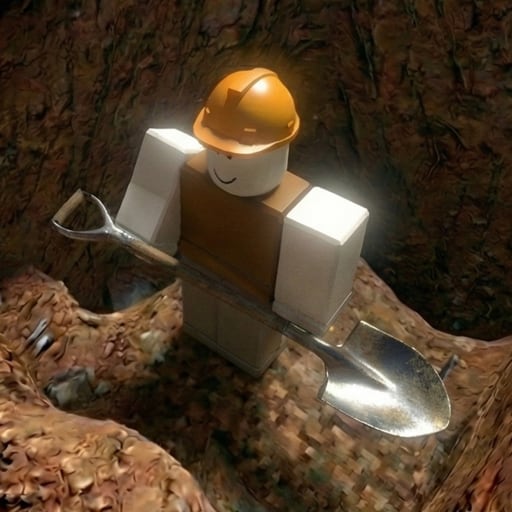
Just Dig It is a Roblox adventure mining experience by WAWAWA Top Go (Place ID 93563701469321). You dig Ancient Relics, sell them at the Drop Pod, upgrade gear at Camp, explore five geological layers, and escape with Artifacts while the world collapses. Up to four players can squad together. Stamina failure exhausts you instead of killing you.
Inventory is where profitable Relic farms die and Artifact escapes fail. The game asks you to hold two mental categories at once: sellable Ancient Relics that fund Camp upgrades, and Artifacts you protect until extraction. Mix them up and you either sell destiny loot or clog bags with junk while collapse pressure rises.
Relic versus Artifact: non-negotiable split
Ancient Relics are the economic engine. Official tone treats them as trash-to-treasure fodder for the Drop Pod. Artifacts are the reason you eventually run an escape plan. They are not interchangeable even if both sparkle in a tunnel.
Before picking up anything ambiguous, ask:
- Is this item meant to become cash at the Drop Pod?
- Is this item meant to leave the dig site during an escape attempt?
If you cannot answer, pause digging and read relics and artifacts side by side. Wrong answers here waste more time than weak shovel stats.
Drop Pod triage workflow
Treat sells as assembly-line steps, not a panic button at 100% capacity:
- Green zone (60–75% full): finish the current dig lane, then walk to sell.
- Yellow zone (75–90%): stop opening new side tunnels; courier immediately.
- Red zone (90%+): no new pickups unless Artifact-critical; sprint sell path.
Pair triage with sell guide rules. Frequent small sells keep stamina budgets predictable and prevent co-op couriers from idling while diggers overflow.
Never sell Artifacts at the Drop Pod. If UI ever tempts you to dump “everything,” cross-check item class first. Escape planning lives in how to find Artifacts and how to escape.
Physical bag discipline while moving
Inventory management is also path management. Full bags slow pivots, block lane continuity from how to dig, and push you into exhaustion during climbs documented in stamina guide.
Rules of thumb:
- Keep one mental “sell slot” rhythm: dig until trigger, sell, rebuy consumables or upgrades at Camp, return.
- Do not open long menus while standing in dangerous depth unless squadmates cover you.
- Mark Artifact carriers visually in co-op — whoever holds destiny loot minimizes side digs.
Co-op bag roles for four-player squads
With up to four players, assign inventory responsibilities early:
| Role | Holds | Job |
|---|---|---|
| Digger | Mostly empty | Maintains lanes and calls sell timing |
| Courier | Relics only | Runs Drop Pod loops so diggers stay deep |
| Artifact guard | Artifacts | Minimizes combat with terrain; pre-planned exit |
| Flex | Backup courier or scout | Fills gaps when stamina fails |
Rotate flex when exhaustion hits — stamina soft-fail still stalls teams. Full squad tactics: co-op.
Layer depth and inventory expectations
Shallow geological layers forgive sloppy sells. Deeper bands from deep layers punish delayed Drop Pod trips because return walks consume stamina you need for Artifact climbs.
Before descending, decide inventory policy for that layer:
- Relic farm run: cap carry weight low; optimize cash per minute.
- Artifact run: pre-clear junk Relics; reserve space and attention for escape cargo.
Use the dig run planner to write that policy before joining a public server.
Common inventory failure patterns
Hoarder mode: keeping low-value Relics “for later” until bags jam mid-tunnel. Fix with timer-based sells.
Hero pickup: grabbing every glowing object without classification. Fix with Relic vs Artifact checklist above.
Menu tourist: sorting inventory during collapse pressure. Fix by sorting only at Camp or Drop Pod safe zones.
Cross-game habits: treating Dig It magnets or foreign currencies as relevant. Fix via Not Dig It.
Upgrades that interact with inventory
Camp purchases from Camp upgrades and tools tier list change how fast bags fill and how quickly you can convert Relics into buying power. Code windfalls from working codes should accelerate upgrades that increase dig tempo — not encourage hoarding more junk.
If inventory always feels tight after upgrades, your sell cadence — not bag size fantasy — is usually the bottleneck.
Session open and close checklist
Open: empty junk, confirm roles, set sell trigger percent.
Mid: call yellow zone aloud in co-op.
Close: bank cash, log Artifacts separately from sold Relics, note next Camp target.
First-time players should pair this page with first session before attempting coordinated escapes.
Keep exploring
Frequently Asked Questions
Quick answers to common Just Dig It questions.
Should I sell all Relics?
Sell Ancient Relics often at the Drop Pod. Do not sell Artifacts meant for escape.
When is inventory full enough to sell?
Many players sell at 60–75% capacity instead of waiting until movement slows.
Can Artifacts and Relics share bag space?
They share UI space but not strategic priority. Guard Artifact slots during escape runs.
How does co-op split inventory work?
Assign diggers, couriers, and an Artifact guard so sells happen without stopping lanes.
What if I accidentally sell an Artifact?
Prevention beats recovery. Classify loot before selling and review the artifacts guide.